


The Star-News offers audio versions of articles using Instaread. Some words may be mispronounced.
The San Diego Gulls have done their homework well in regard to the diverse community they serve.
The American Hockey League team is celebration its 10th season playing in America’s Finest City and this season’s promotional schedule has offered a little bit for everyone. The hat and t-shirt giveaways are always cool but a lot more thought has gone into how the team interacts with the community in 2025-26.
Theme nights have included Healthcare Industry Night (Nov. 7), Military Appreciation Night (Nov. 15), Educator Appreciation Night (Dec. 5), Gulls Fight Cancer Night (Jan. 16). Native American Heritage Night (Jan. 17), Women in Sports Night (Feb. 4), First Responders Night (March 6) and Aloha Night (March 7).
Gulls Global Games Night (Feb. 14) celebrated the Winter Olympic Games.
Upcoming community theme nights include Pride Night (March 20), Youth Sports Night (March 22) and Mexican Heritage Night (April 3).
Traditional holdovers include Winter Wonderland and Teddy Bear Toss Night (Dec. 13) and Star Wars Night (Jan. 31).
The Gulls have also delved into live music this season, hosting local bands between periods. The playlist is eclectic: Punk Rock Night (Nov. 14), Karaoke Night (Dec. 12), 80s Night (Jan. 2) and College Night with EDM Music (March 13).
Fan Appreciation Night is scheduled April 18.

Going native
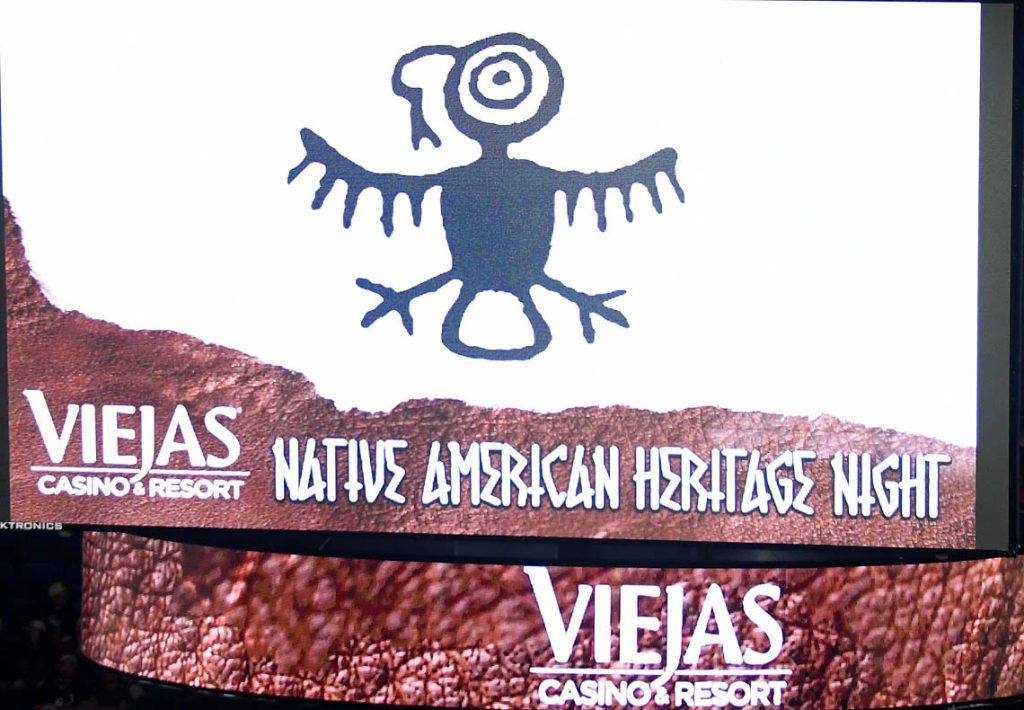
Native American Heritage Night was new this season and a welcome event.
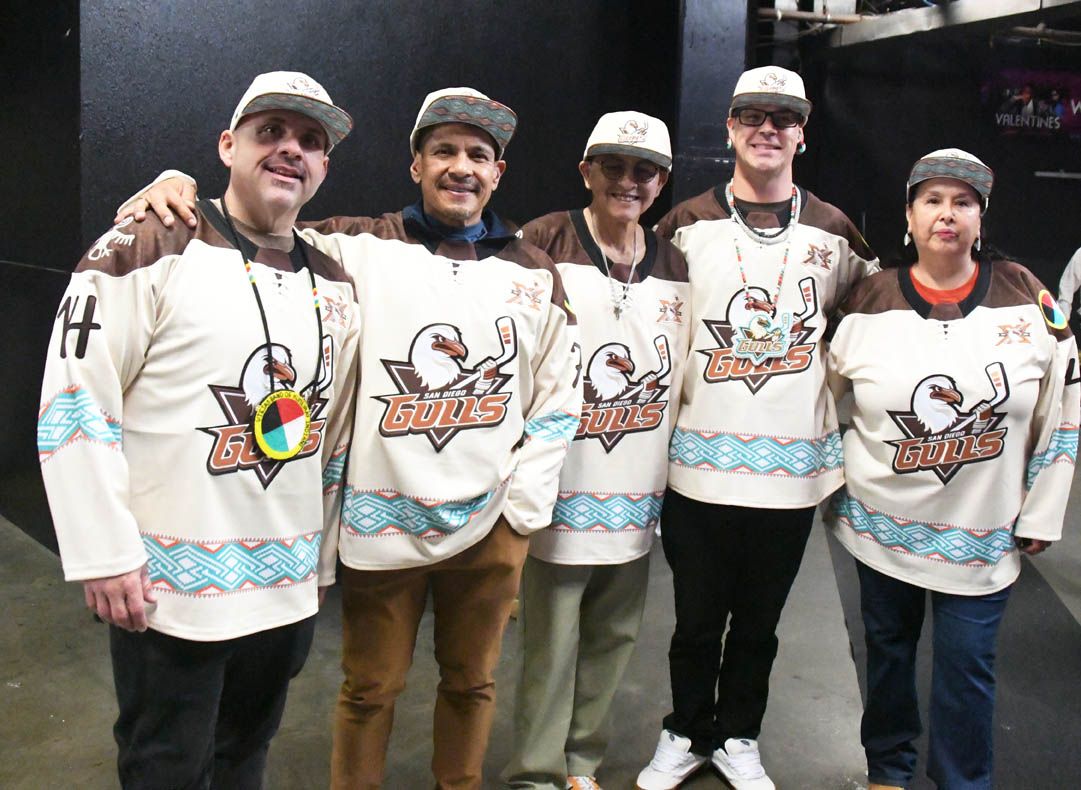
Tribal council members of Viejas Tribe of the Kumayyay Nation participated in the ceremonial puck drop.
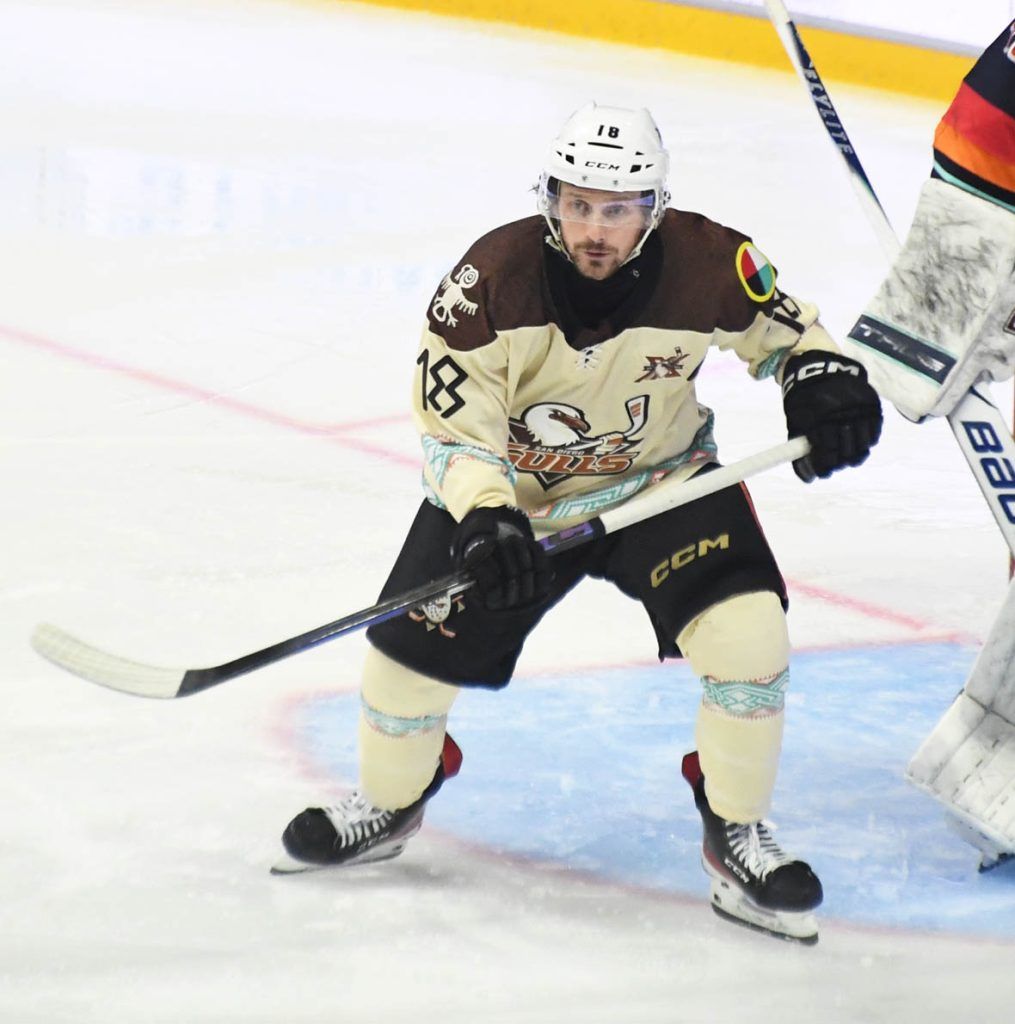
The specialty theme night, which was presented by the Viejas Casino & Resort, opened with a pregame community celebration of Native cultures. The Gulls donned specialty jerseys for the game.
Additionally, the first 8,000 fans through the turnstiles received a Gulls specialty Native American hat.
When teams from Canada visit, it’s traditional in hockey to play the national anthems of both countries prior to the face-off.
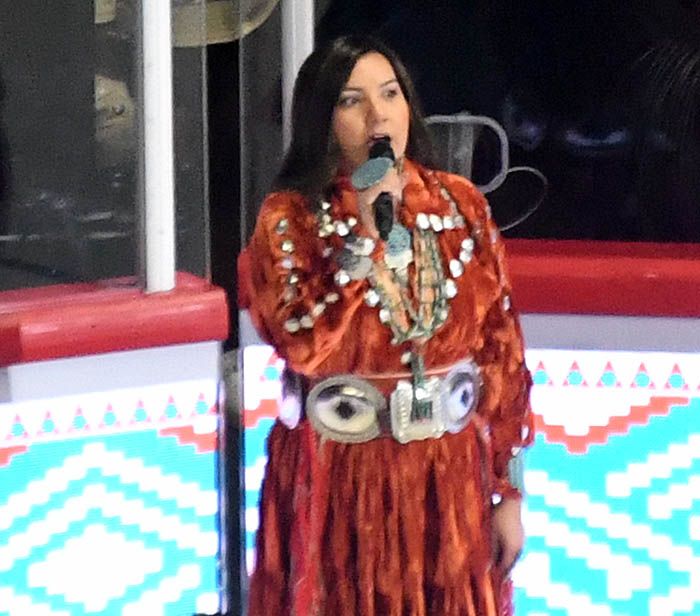
It was no different on Native American Heritage Night as the Star-Spangled Banner received treatment in two languages — in Navajo by Talibah Begay and in English by Tehya Banegas from the Barona band of Mission Indians in Lakeside.
That was likely a first at Pechanga Arena.
Native connections to hockey aren’t new. The Gulls helped support a tribal skate over the holidays at the Viejas Outlet’s outdoor ice rink, the largest of its kind in the county, with player appearances and merchandise from the AHL team.
(The Gulls also have hosted an annual community skate at Liberty Station when the temperature drops over the holiday season.)
Native American Heritage Night provided an insight onto a generally minimalized culture, yet the oldest on the continent.
As of early 2026 there are 574federally recognized Indian tribes (nations, bands, pueblos and communities) in the United States, according to the Bureau pf Indian Affairs. Of these, 229 are located in Alaska while the remaining 345 are located across 35 other states. These entities hold a formal government-to-government relationship with the U.S. government.
We are indeed a Nation of many peoples and cultures. Many U.S. citizens are just now discovering how diverse we actually are.
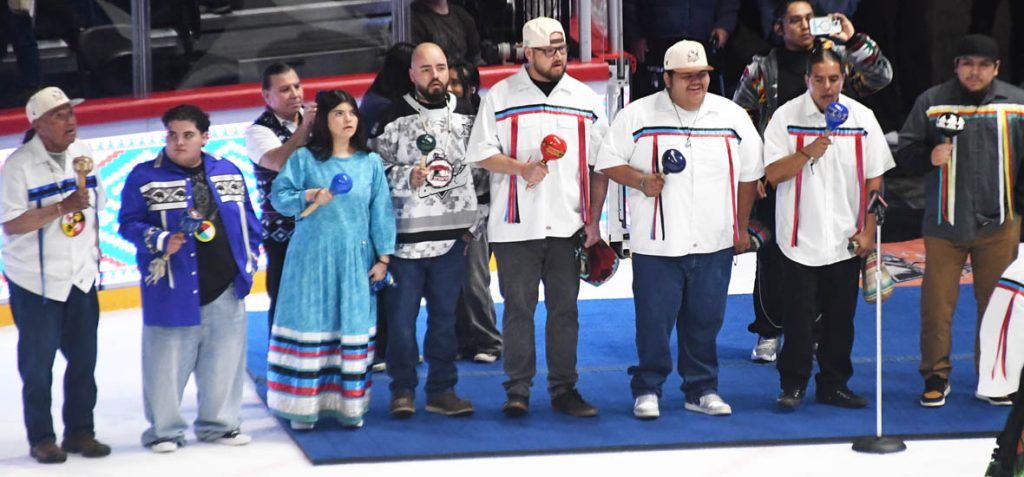
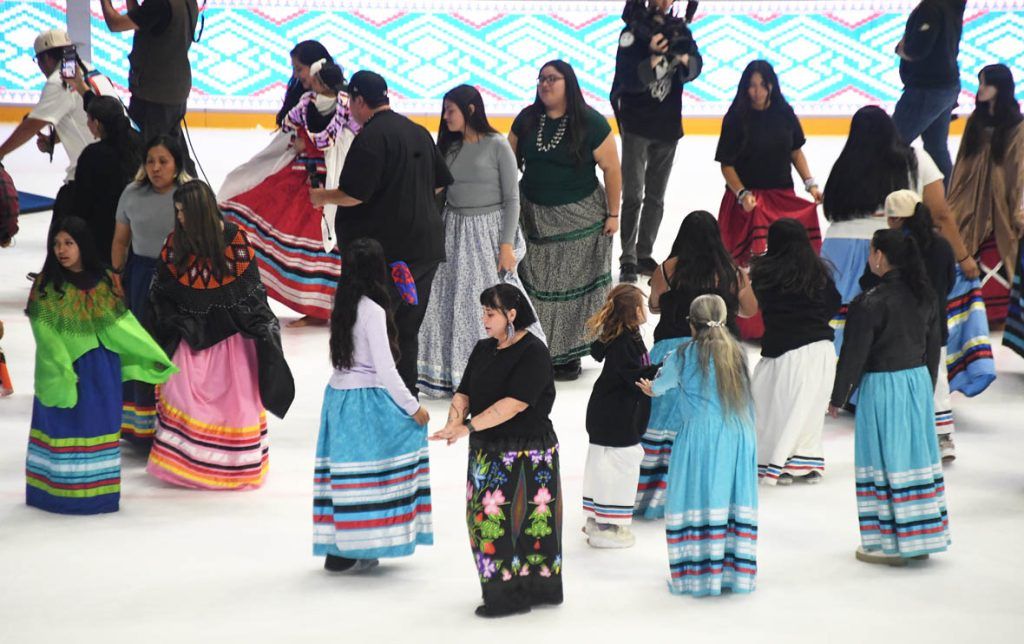
Fans were entertained by a performance of bird singing and dancing, an ancient tradition from tribes in Southern California and Arizona.
Bird singing is characterized by men singing in a line to the beat of tortoise shells or gourd rattles filled with palm seeds while women perform traditional dances. The chants are meant to describe the migration of Native peoples and ancestral histories.
Recognition has emerged in a new landscape of inclusiveness and identity.
Southwestern College held its third annual Pow Wow on Feb. 28. The free community-wide event featured gourd dancing, bird singing and inter-tribal dancing to honor Native American culture.
Native peoples in Canada are recognized as members of First Nations, which include distinct indigenous people who have inhabited the land for thousands of years with more than 630 recognized governments or bands.
Infomercials during game breaks on the video board featured tribal customs and the recognition of the stewardship of the land by local tribes from time immemorial.
Fans could also bid on player-worn jerseys during an in-game auction with funds benefiting inter-tribal sports.
Did you know?
NASA astronaut John Bennett Herrington made history in 2002 as the first enrolled citizen of a Native American tribe to fly into space. A member of the Chickasaw Nation, he flew aboard the Space Shittle (STS-113), carrying the Chickasaw Nation flag, eagle feathers and a traditional flute to the International Space Station.
U.S. Marine Ira Hayes, a member of the Pima Tribe (Akimel o odham), was one of six men who raised the American flag during the battle of Iwo Jima during World War II.
Professional American football player Creed Humphrey, also a member of the Chickasaw Nation, was drafted by the Kansas City Chiefs in the second round of the 2021 NFL Draft from the Oklahoma Sooners.
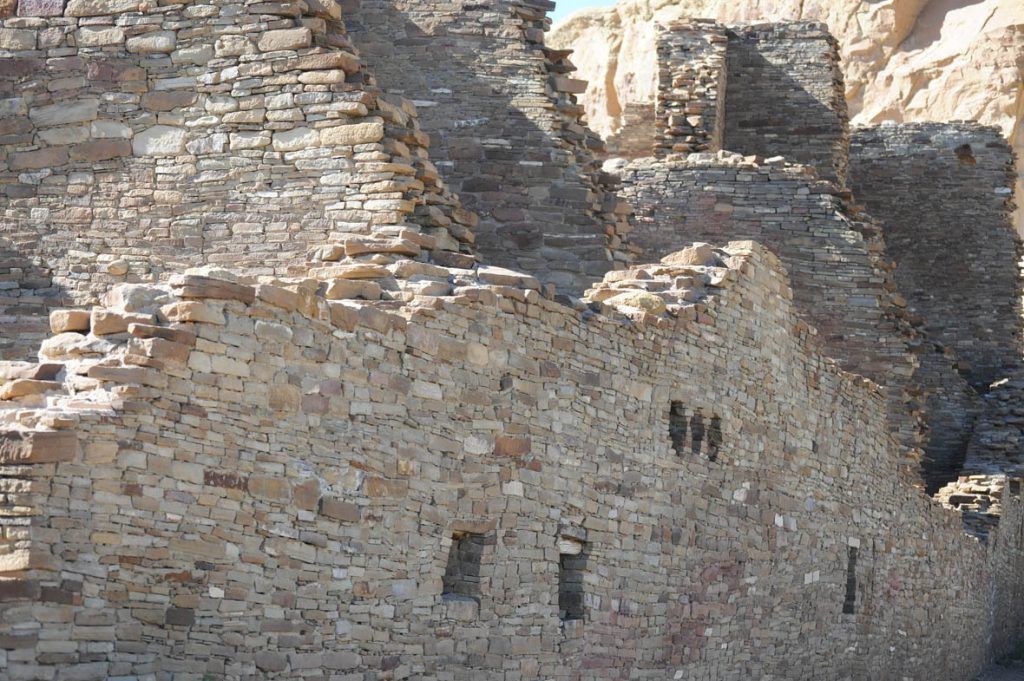
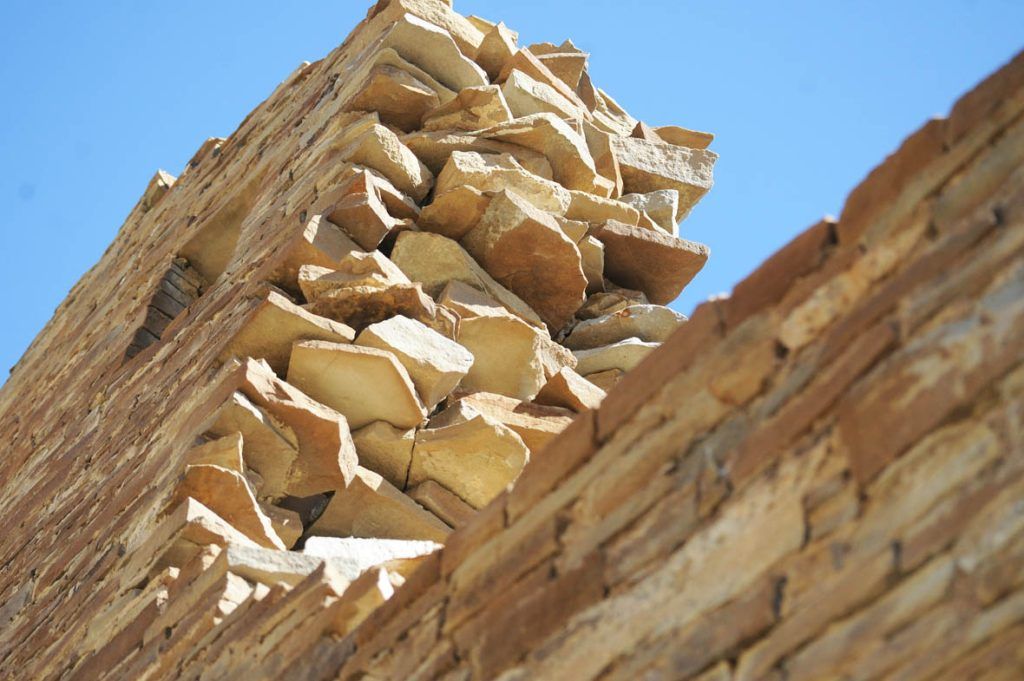
The Kumeyaay Nation, which includes the Viejas and Barona groups, includes indigenous peoples living along the southern border of California and northern border of Baja California, who consist of three related groups: ’Iipai, Tiipai and Kamia.
The San Diego River loosely divided the historical homelands of fhe ’Iipai (Escondido to Lake Henshaw) and Tiipai (Laguna Mountains, Ensenada and Tecate) while the Kima lived in the eastern desert areas (Mexicali and bordering the Salton Sea).
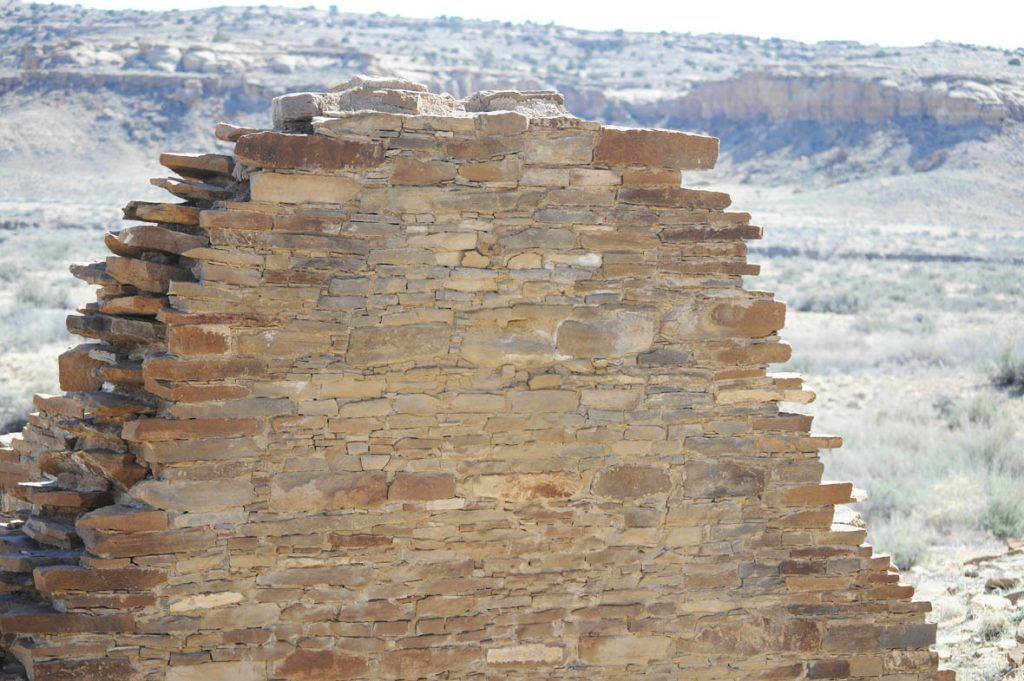
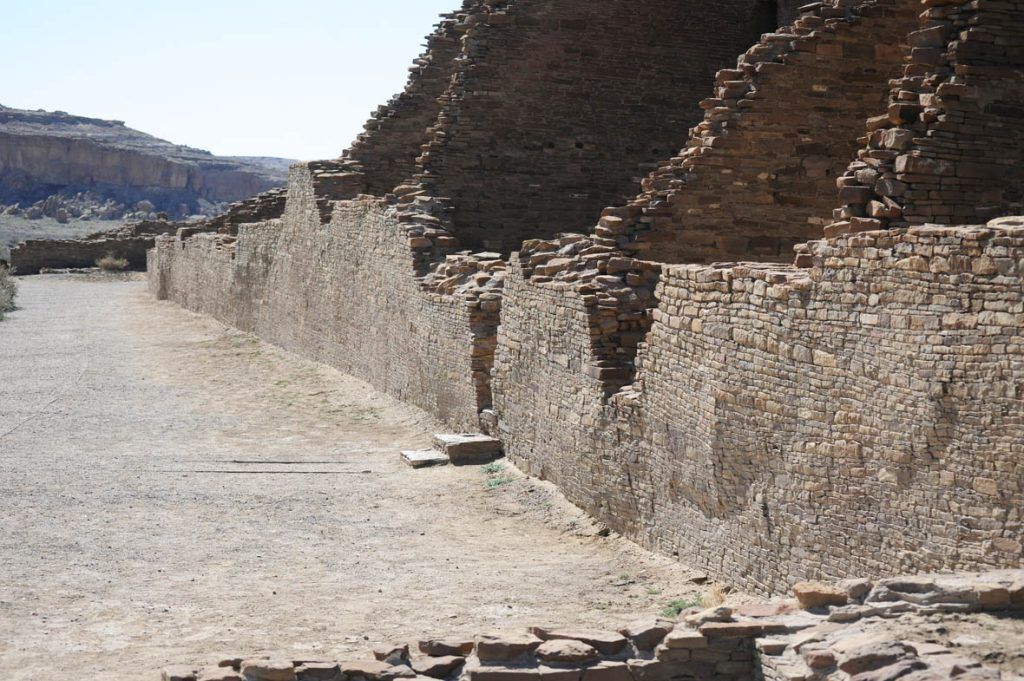
All languages and dialects spoken by the Kumeyaay belong to the Delta-California branch of the Yuman language family.
Kumeyaay is traditionally transmitted through oral narratives song cycles and ceremonial practices. Bird songs remain one of the most culturally significant forms of verbal art among Kumeyaay communities. Although the number of first-language speakers has declined, linguistic elements continue to appear in song tradition and storytelling.
The local tribes had deep connections to the land as hunters, gatherers and horticulturalists who had inhabited the region for more than 10,000 years.
First contact with Europeans occurred in 1542 when Portuguese explorer Juan Rodriguez Cabrillo sailed into San Diego Bay. The Spanish established the first permanent settlement in 1769.
About the only negative aspect of the Native American Heritage Night cultural celebration was that the Gulls lost 4-0 to the visiting Coachella Valley Firebirds.
Aloha Night
The focus this time was on laid-back, tropical Pacific Islander culture and surf music for Aloha Night, which attracted a near-sellout of 12,242 fans. The music of the late singer-songwriter Jimmy Buffet was also honored among the dedicated legion of parrotheads in attendance.
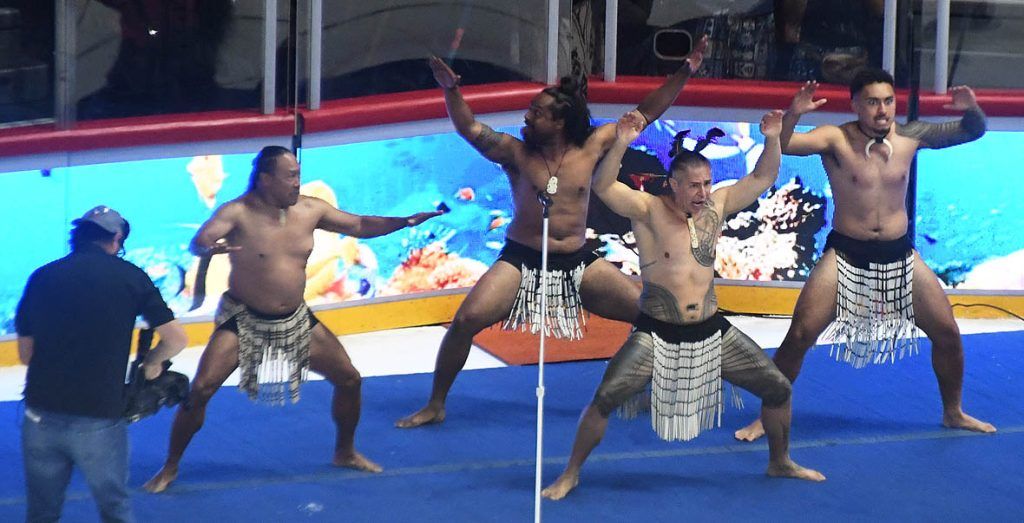
A haka was performed between periods.
According to AI, the haka is a powerful M?ori ceremonial posture dance representing strength, unity, and cultural pride through shouted chants, vigorous movements (foot stamping, chest slapping), and facial expressions like the p?kana (bulging eyes) and whetero (tongue out). Traditionally a war dance to intimidate enemies, it is now used to welcome guests, celebrate, or show respect.
Many Polynesian peoples have similar though distinct cultural ceremonial dances.
The Gulls split the two games that weekend against the visiting Rockford Ice Hogs after splitting a pair of road contests the previous weekend in Illinois.
The Gulls came up short 3-2 on Friday, March 6, as the Ice Hogs successfully shut down five of six San Diego power plays. The hometown team skated to a 6-4 win the next night to snap a three-game losing streak to improve to 25-18-8-4 to keep them in sixth place in the Pacific Division standings and in Calder Cup playoff contention.
Team captain Ryan Carpenter netted his 100th and 101st career AHL goals (101 goals, 162 assists, 263 points), both on the power play, to five him 14 goals on the season, including five power play goals. Stian Solberg scored his ninth goal of the season while Nikita Nesterenko tallied the first shorthanded goal of his AHL career.
Nikolas Brouillard scored his fourth goal of the season, his 26th as a Gull, to become the team’s all-time scoring leader among defensemen. Coulson Pitre scored his second goal of the season while Tristan Luneau moved his point streak to four games with two assists.
Sam Colangelo, Roland McKeown and Judd Caulfield also each dished out two assists in the victory while Nathan Gaucher and Cal Burke both recorded one assist. Goaltender Calle Clang stopped 24 shots to move his record to 14-4-6
The Gulls, who capped the win with an empty net goal, have scored nine shorthanded goals this season. Saturday’s bounty included one shorthanded goal and three power play goals.
“We just wanted to build,” Carpenter said. “We thought we did a lot of food. Thought they really did capitalize on the few odd man’s we game them yesterday. You give them credit, they have a lot of skill, and they made some great plays and so we wanted to come down tonight. Even though they tied it up, we were able to roll on the power play. We’ve had the same units now for a little bit, and so there’s some chemistry developing there. And so, we stepped up and found a way to win.”
“I thought we came out really hard tonight,” Caulfield said. “It was good to get on the boards early, and I thought we played an overall pretty good game but still gave up a little bit too much on the defensive side of things. Giving up four goals isn’t what we went into the game thinking, but to get our of there with a win is huge, and we just got to keep getting wins and stack them moving forward.”
The Gulls host the Colorado Eagles for games Friday (7 p.m.) and Saturday (6 p.m.) at Pechanga Arena. The Eagles, who enter the series in second place, three points behind the front-running Ontario Reign, in the Pacific Division standings, will provide the Gulls with the opportunity to test themselves against playoff-caliber competition.
The teams rematch Tuesday, March 17, and Wednesday, March 18, in Colorado to cap a key four-game series.
The games don’t let up there. The Gulls host the Bakersfield Condors on Friday, March 20, and the Calgary Wranglers on Sunday, March 22.
Then there are only 10 games remaining in regular season play, including four home games.
The top seven teams in the Pacific Division standings qualify for the playoffs.


