


The Star-News offers audio versions of articles using Instaread. Some words may be mispronounced.
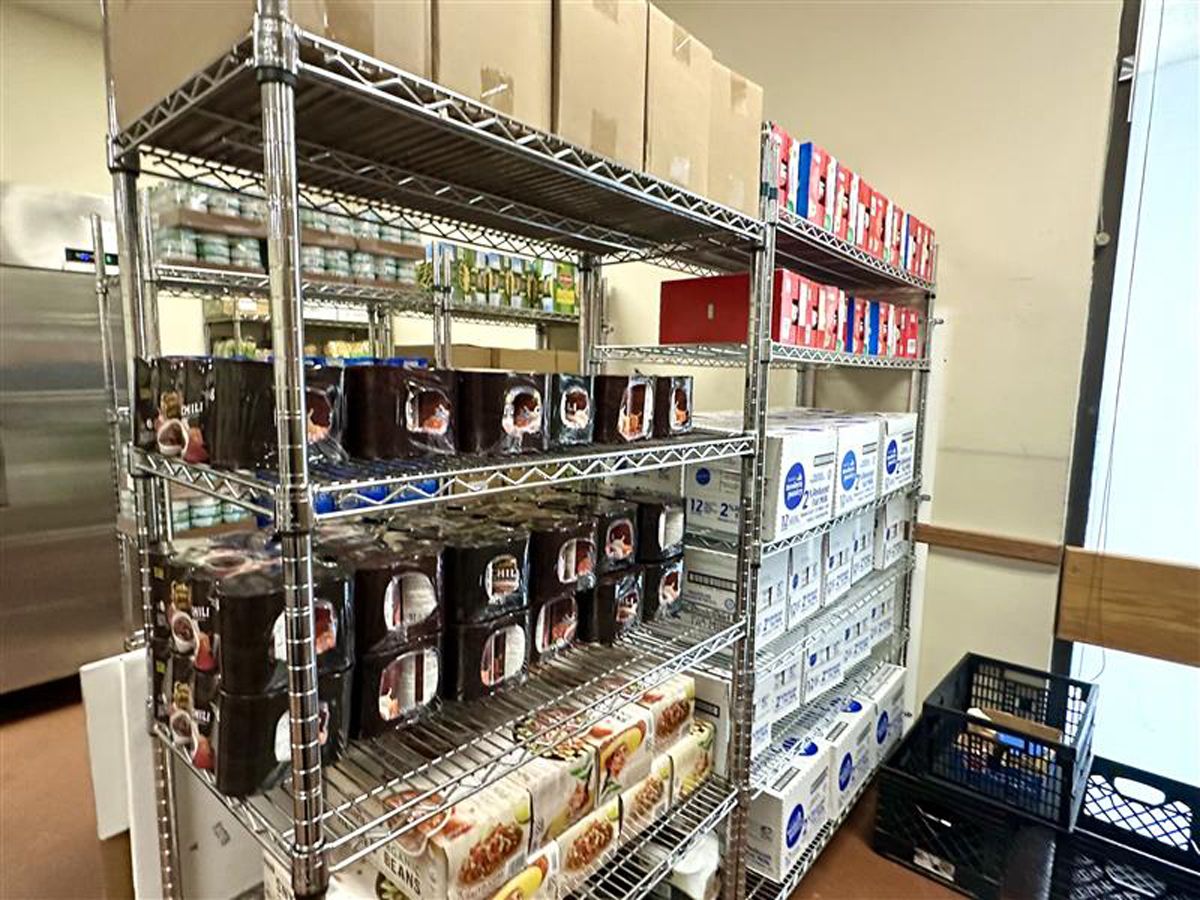
The Chula Vista Civic Center Library has become more than a hub for books and programs — it is now serving as a critical point of food assistance for residents in the South Bay.
The library was chosen as the location for the new pantry because it has previously hosted food distribution events and demonstrated a strong need within the community.
“During a food distribution held at the library in 2023, all of the food was distributed within an hour, with residents arriving from across the South Bay, including neighboring National City,” said Mirella Leung Lopez, communications officer for the city of Chula Vista. “That experience highlighted the strong demand for accessible food resources in this area.”
Leung Lopez said that libraries are trusted and accessible spaces where people already come for a variety of services.
“Providing food assistance at the library builds on that role by making nutritious food available in a familiar and welcoming environment,” she said.
Steps have also been taken to ensure the experience is dignified for first-time visitors. Patrons can register online before arriving to avoid long wait times, and there are no complicated requirements to receive assistance.
Food insecurity remains a significant challenge in Chula Vista and the surrounding South Bay. Rising costs of living and limited access to affordable groceries continue to affect many households.
“Recent data show an increased demand for emergency food assistance, particularly among households with children and seniors,” said Vino Pajanor, CEO of Catholic Charities Diocese of San Diego.
The pantry is part of the Emergency Food Distribution Network Plus (EFDN+) program, which operates weekly at designated sites. At the Civic Center Library, staff and volunteers anticipate serving approximately 250 to 300 families each week, depending on local needs and available resources. Residents can register online at ccdsd.org/efdn or call (619) 323-2841, option 2.
This pantry differs from other food distribution sites in San Diego County by integrating food assistance with access to other community resources. EFDN+ partners with trusted agencies, including Catholic Charities, and volunteers are trained and supported to ensure efficient operations. Since the program’s inception, EFDN+ has distributed more than 4.6 million pounds of food, translating into nearly 3.9 million meals, with contributions from the San Diego Food Bank, community members, and local donations.
Pajanor highlighted the diversity of clients served: “Clients include families with young children, seniors, and individuals experiencing temporary hardship. Reductions in SNAP benefits and stricter eligibility requirements have contributed to a surge in demand, making supplemental support from programs like EFDN+ essential.”
“Beyond distributing food, the program connects residents to services such as CalFresh enrollment, rental assistance, and case management, creating a comprehensive support network in a single location,” he said.
Leung Lopez said that the city-library model shows promise for expansion.
“There is strong potential to replicate this partnership across other municipalities in San Diego County,” she said. “By leveraging trusted community spaces and organizations like Catholic Charities, this model can reach more residents and streamline access to essential services.”
The Civic Center Library pantry represents a collaborative effort to provide food, support, and resources in a safe and welcoming environment, addressing the ongoing challenges of food insecurity while helping residents access the services they need.


