


The Star-News offers audio versions of articles using Instaread. Some words may be mispronounced.
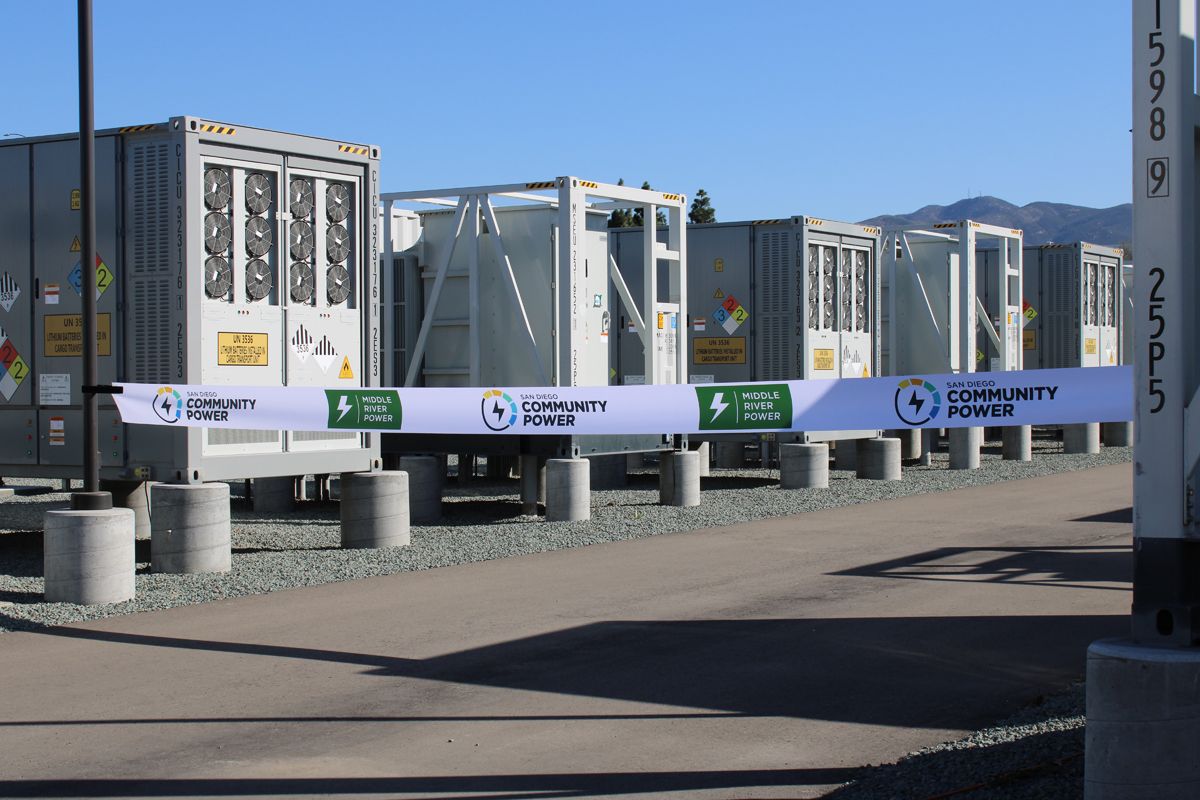
When the sun sets and electricity demand spikes, a new battery energy storage facility is stepping in to keep power flowing across San Diego. The Border Hybrid Energy Center, developed by Middle River Power, stores solar energy generated during the day and releases it during evening peak hours, helping stabilize the grid while reducing reliance on natural gas.
“The battery can supply power almost instantly, helping maintain grid stability, reduce strain on transmission infrastructure, and support reliability in the San Diego region,” said Dan Harmon, vice president of project development at Middle River Power. “It also stores solar electricity produced during the day and dispatches it in the evening when demand peaks, reducing reliance on gas-fired generation.”
The 52-megawatt-hour system is co-located with the existing CalPeak Power Border Peaker Plant, allowing it to use established transmission connections, land, and operational expertise. Harmon said this approach reduces development impacts, shortens construction timelines, and makes efficient use of energy-zoned land.
For customers, the battery’s benefits are practical and measurable. It charges when demand is lower and discharges during peak periods, helping prevent outages, stabilize electricity prices, and reduce greenhouse gas emissions. Harmon noted the system is expected to offset up to 66 percent of the peaker plant’s thermal generation, easing both carbon output and operational load.
San Diego Community Power, the facility’s sole offtaker, manages -how the battery is charged and discharged. “We charge the battery during the day when energy is more affordable and cleaner, and release power in the evening when demand and prices are higher,” said Kenny Key, director of power contracts at Community Power. By selling energy back to the grid at peak times, the system generates revenue that helps reduce overall costs for customers while increasing the proportion of renewable energy delivered to the region.
The project also prioritizes safety and reliability. Advanced monitoring and control technologies, multiple redundancy measures, and thermal management systems ensure consistent performance during heat waves or emergency conditions.
Beyond reliability and cost savings, the battery reduces emissions by substituting stored solar energy for gas-fired generation during high-demand periods.
“Charging during the day with solar and discharging in the evening avoids the emissions that would otherwise come from running the gas plant,” Harmon said.


